NEW & BLOG
Build a highly cohesive team of thermal management, special welding and
precision manufacturing
How to Specify and Accept Liquid Cold Plates: Burst, Pressure Drop, Leak and Thermal Tests Explained
Sep. 29, 2026
Most cold plate quality disputes trace back to the same root cause: the buyer and supplier never agreed on what "good" means, in test terms. A liquid cold plate can pass a visual check and still fail in the field — clogged channels, creep leakage at a pulse-loaded seam, or a heat-absorbing surface that is out of flatness. Here is the test matrix that serious manufacturers and serious buyers use to align expectations, item by item.
1. Channel cleanliness. Fines, chips, and flux residue left inside channels destroy pumps and clog cold plates downstream of the filter. Verification ranges from flushing-and-gravimetric measurement to endoscopy. It is the cheapest test on this list and the one most often skipped.
2. Burst pressure. A room-temperature hydraulic ramp until the plate fails. The spec usually demands burst at a multiple (commonly 2–4×) of working pressure. It validates the base design, not each production part.
3. Pressure drop (flow resistance). Measuring water-side resistance across a range of flow rates confirms the channel geometry matches the thermal model. A plate that meets burst but doubles expected pressure drop will starve the cooling loop and force oversized pumps.
4. Pressure impulse cycling. Coolant is pulsed between pressure extremes for tens of thousands of cycles, with leak checks afterward. This is the test that catches fatigue-prone seam designs — the closest laboratory analogue to a decade of pump start-stops.
5. Static pressure strength. A hold test at elevated static pressure confirming gas-tight integrity at room temperature. Basic, but it anchors every subsequent leak conversation in numbers.
6. Internal corrosion resistance. The channel interior is exposed to specified coolant chemistry, then re-checked for leak integrity. It matters most when dissimilar metals share the coolant loop.
7–9. Low temperature, high temperature, and thermal shock. Coolant-filled plates are held at cold, at hot, and cycled between the two. Thermal shock in particular is ruthless toward residual-stress concentrations and marginal welds; a plate that survives high-low cycling with leak integrity intact is a plate engineered, not merely assembled.
10. Heat-absorbing zone geometry. Flatness and roughness of the surface that contacts the chip or power module. In liquid cooling, the TIM stack dominates thermal resistance — a warped interface can erase the benefit of a well-designed channel below it.
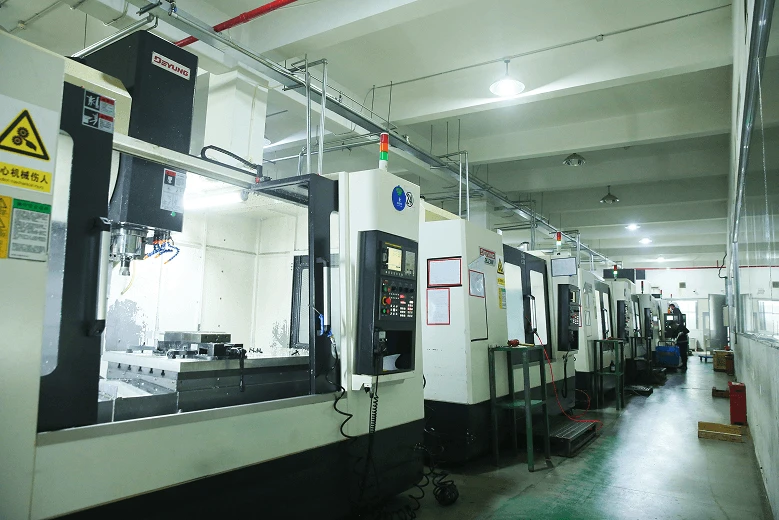
How the production loop verifies each unit. Design validation tests are sampled; production tests are 100%. A mature production line welds, then closes the loop with weld-seam non-destructive testing, dimensional measurement on coordinate measuring machines, helium leak detection, and surface treatment inspection — with traceability from raw material certificate to shipped serial number. Deyanfu's line, for example, runs ultrasonic inspection of FSW seams with detection accuracy up to 99%, Hexagon CMMs up to 2,200 × 3,300 × 1,500 mm, and helium mass spectrometer leak detection (ASM340 units) on the floor — so every production part carries the same evidence a validation sample does.
A practical RFQ checklist. Before you award a cold plate program, get written answers to six questions:
Which of the ten tests above are run in-house, which are subcontracted, and which are not offered at all?
Is leak testing helium-based, and at what sensitivity?
What NDT method inspects the sealing weld — and what is the demonstrated detection accuracy?
What flatness tolerance can you hold on the heat-absorbing face after welding and post-weld machining?
What is the pressure-drop acceptance band versus the thermal model?
How is each shipped part traced to its material lot and weld parameters?
Suppliers who answer these six fluently are rare, and worth shortlisting. The ten-test matrix is not bureaucracy — it is the difference between a cold plate that survives its warranty and one that survives its mission.
LATEST NEWS
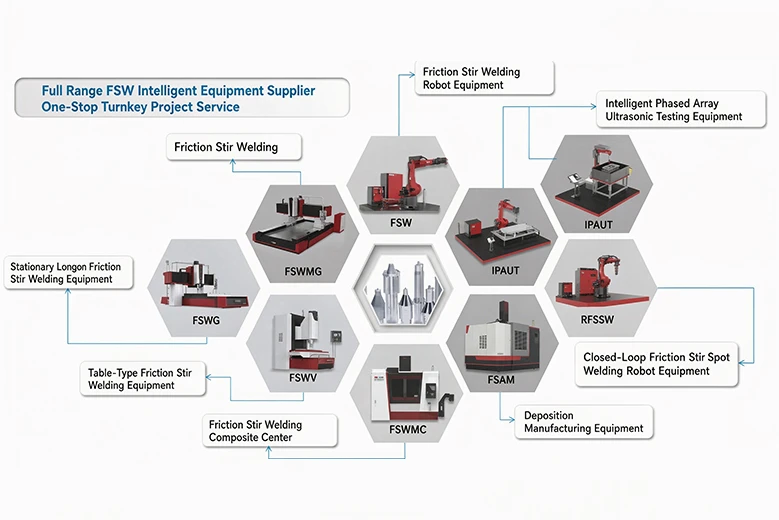
What is friction stir welding (FSW)? How does this solid-state process deliver low-distortion, leak-free aluminum welds for EV battery trays and liquid cold plates? A manufacturer's guide.
Sep.28,2026
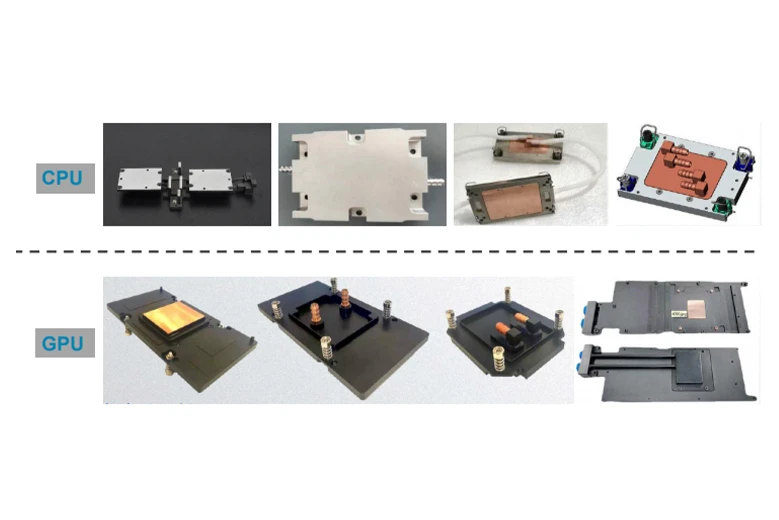
From AI Data Centers to 800V EVs: What It Really Takes to Manufacture Liquid Cold Plates
Liquid cooling is going mainstream in AI servers and EVs. A look inside liquid cold plate manufacturing: flow channel design, FSW sealing, burst and leak testing, and mass production.
Sep.28,2026
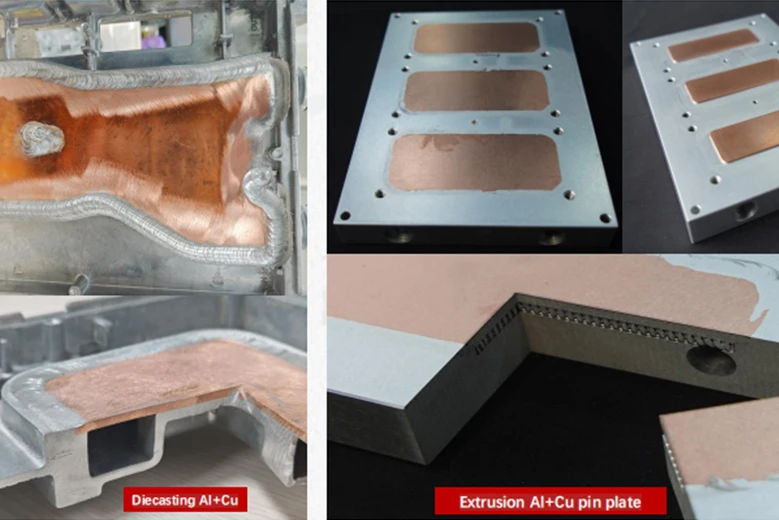
Every hardware generation asks the same question: can we combine two metals in one part — copper for conductivity, aluminum for weight, titanium for strength — without the joint becoming the weakest link?
Sep.28,2026
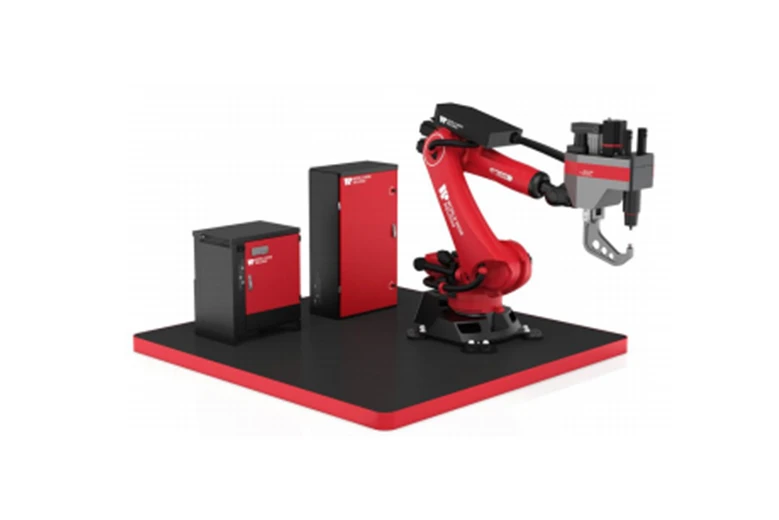
Refill Friction Stir Spot Welding: A Cleaner Alternative to Resistance Spot Welding and Riveting
Ask a manufacturing engineer how they join two overlapping aluminum sheets, and the answer is usually one of two things: resistance spot welding (RSW) or self-piercing rivets (SPR). Both work. Both also carry costs that product designers have learned to live with — until a solid-state alternative called refill friction stir spot welding (RFSSW) matured into mass production.
Sep.29,2026
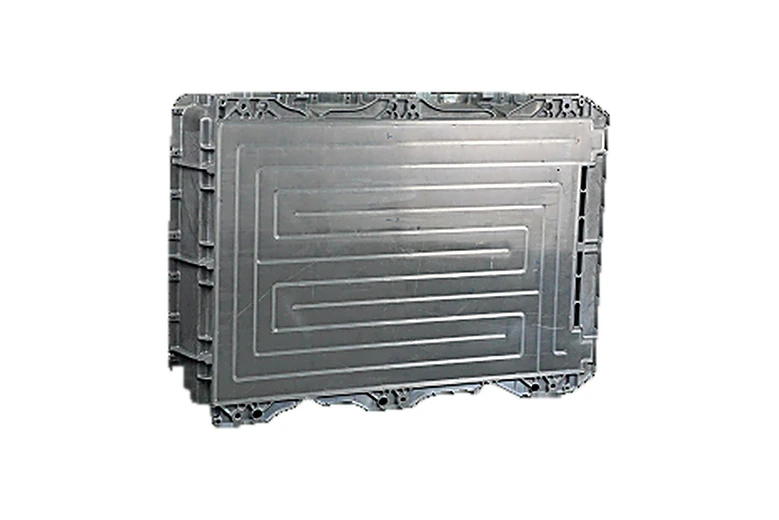
Case Study: Friction Stir Welding ADC12 Cast Aluminum to 6061 Extrusions in a Bus Battery Tray
Modern battery trays are a metallurgy puzzle wearing a structural role. The tray must be light, crash-stiff, leak-manageable, and cheap — so designers mix material forms: die-cast nodes and bosses for complex geometry, extruded profiles for rails and frame members, and rolled plate for covers. Each form is easy to make alone. Joining them is the problem, and a recent bus battery tray program shows how one manufacturer solved it.
Sep.29,2026
How to Specify and Accept Liquid Cold Plates: Burst, Pressure Drop, Leak and Thermal Tests Explained
Most cold plate quality disputes trace back to the same root cause: the buyer and supplier never agreed on what "good" means, in test terms. A liquid cold plate can pass a visual check and still fail in the field — clogged channels, creep leakage at a pulse-loaded seam, or a heat-absorbing surface that is out of flatness. Here is the test matrix that serious manufacturers and serious buyers use to align expectations, item by item.
Sep.29,2026
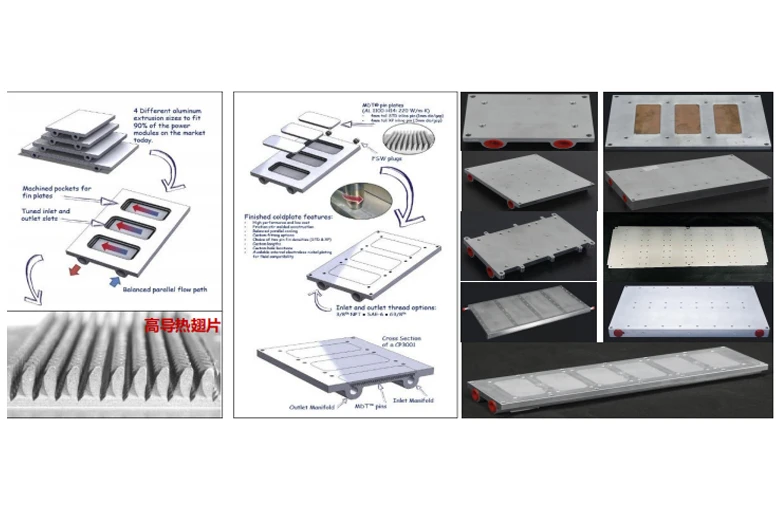
For most of computing history, "thermal management" meant fans. Air cooling defined the shape of servers, the layout of data centers, and the limits of every processor design. That era is ending. AI rack densities that once would have been measured in kilowatts are now quoted in multiples of 100 kW, and no quantity of fans can move that heat out of a rack economically. The industry's answer is direct-to-chip liquid cooling — and its rise is quietly rebuilding a supply chain around a component most data center buyers had never sourced before: the liquid cold plate.
Sep.29,2026
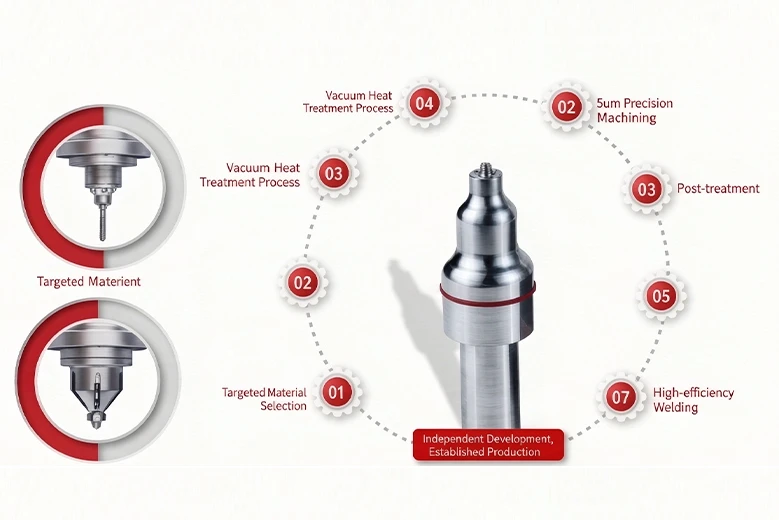
The Overlooked Heart of Friction Stir Welding: Inside a 1,000+ Tool Design Library
Friction stir welding has a paradox at its center. The physics — a rotating tool that plasticizes and forges metal without melting it — is elegant, widely published, and more than three decades old. The equipment is now sold by several vendors worldwide. Yet weld outcomes between two suppliers running identical machines on identical alloys can differ by a wide margin. The variable that explains most of the gap is the smallest, least glamorous part of the system: the stirring tool itself.
Sep.29,2026
"Need a Custom Cold Plate for Your Application?
Request a Free Thermal Design Review"
We provide high-strength, well-sealed core components for new energy vehicles that meet global automotive standards. Schedule a rapid technical consultation now.
Build a highly cohesive team of thermal management, special welding and precision manufacturing
QUICK LINK
QUICK LINK
LET’S CONNECT
LET’S CONNECT
+86 177 1265 6888 (WhatsApp)
+86 137 7167 8566 (WhatsApp)
Peter Fu peter@dyf-sz.cn
Eva Zhou deyanfumachinery@gmail.com
Building 3, No. 28 Xinchang Road, Suzhou Industrial Park, Suzhou City, Jiangsu Province