NEW & BLOG
Build a highly cohesive team of thermal management, special welding and
precision manufacturing
Case Study: Friction Stir Welding ADC12 Cast Aluminum to 6061 Extrusions in a Bus Battery Tray
Sep. 29, 2026
Modern battery trays are a metallurgy puzzle wearing a structural role. The tray must be light, crash-stiff, leak-manageable, and cheap — so designers mix material forms: die-cast nodes and bosses for complex geometry, extruded profiles for rails and frame members, and rolled plate for covers. Each form is easy to make alone. Joining them is the problem, and a recent bus battery tray program shows how one manufacturer solved it.
The part. A commercial bus battery tray for a major Chinese bus OEM, joining ADC12 die-cast components with 6061 aluminum extrusion, using a combination of butt and lap joints — all welded by friction stir welding (FSW).
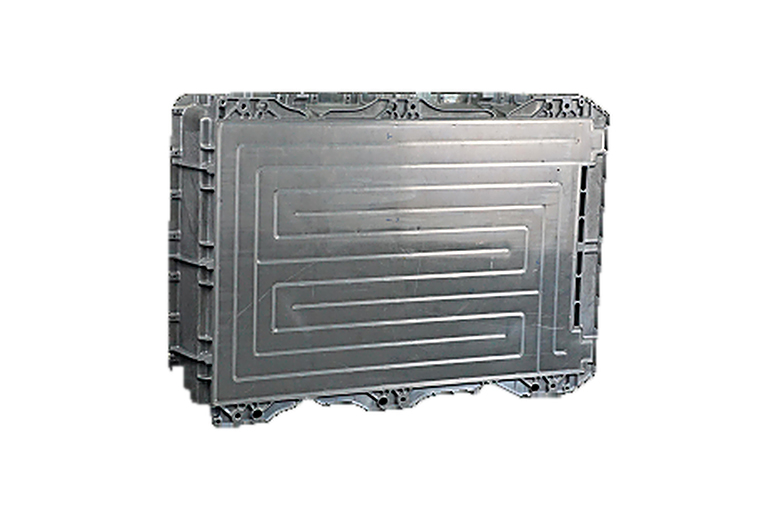
Why fusion welding struggles here. ADC12 is a near-eutectic Al-Si die-casting alloy (roughly 9–12% silicon). It casts beautifully and welds terribly: die castings trap gas porosity that expands in a molten weld pool, silicon segregation embrittles the joint, and the cast skin's fine structure is destroyed where it melts. 6061-T6 extrusion has its own sensitivity — hot cracking in the weld and softening in the heat-affected zone. Join the two together with an arc and the result is typically porosity-laced, under-strength welds with erratic quality from batch to batch. Many tray programs route around the problem with bolts and adhesives, at the cost of weight, assembly labor, and stiffness.
The solid-state route. Friction stir welding never melts the joint. A rotating tool plasticizes and forges the material, so die-cast porosity isn't boiled out — it's simply never given the chance to expand, because peak temperature stays below melting. Heat input is low, the heat-affected zone is narrow, and distortion stays controllable across a tray-scale part. The weld nugget forms a dense, wrought-like microstructure. For dissimilar pairings like ADC12-to-6061, solid-state stirring disperses rather than concentrates the problematic phases.
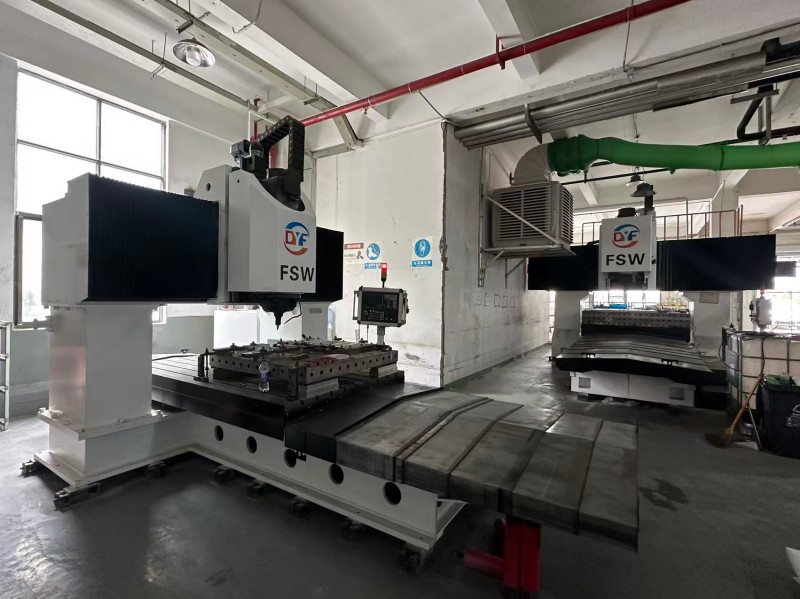
Holding flatness at tray scale. A battery tray is a large, thin-walled structure where post-weld flatness determines whether cells, seals, and vehicle mounts align. That makes fixturing and weld-sequence engineering as important as the welding itself: pre-weld machining and assembly fix the datum structure, welding follows sequenced passes that balance distortion, and post-weld precision machining restores mounting faces and sealing surfaces. Deyanfu machines these faces on its own machining centers — 185+ vertical, horizontal, and gantry machines — with positioning accuracy at the ±0.01 mm level, which is what lets a welded tray behave like a machined one.
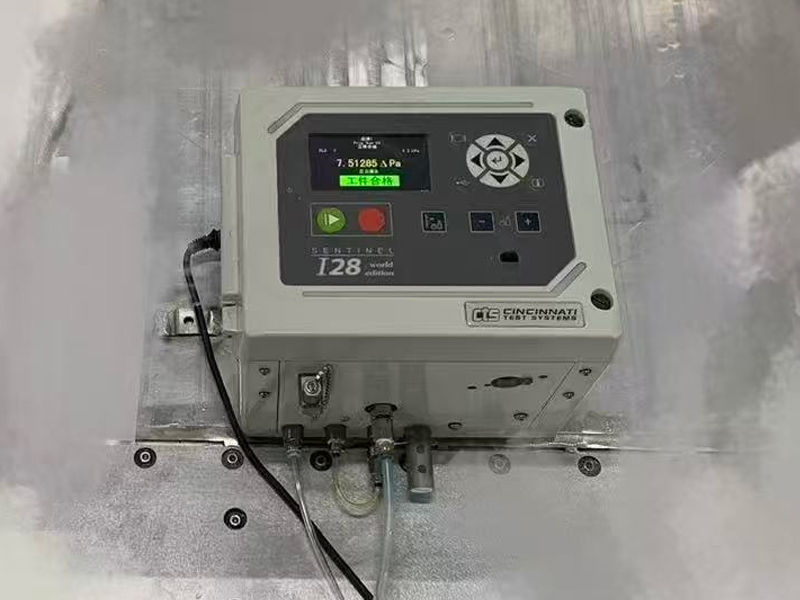
Verification. Structural welds of this class are checked by automated ultrasonic inspection of the weld seam, dimensional measurement on Hexagon coordinate measuring machines (the largest covering 2,200 × 3,300 × 1,500 mm — big enough for full tray programs), and helium leak detection where the tray also serves as part of the enclosure. The company's friction stir welded circular products have reached 150,000 pieces shipped with zero leakage, and its cast-aluminum electronic control housings have passed 400,000 units with 100% factory inspection — a quality regime applied to every new program.
What the buyer should take away. Cast-to-extrusion joining is where friction stir welding pays for itself fastest: it converts an unreliable fusion problem into a controllable forging process. When evaluating suppliers for welded battery structures, ask for dissimilar-joint strength data, post-weld flatness capability, in-house NDT — and whether they machine the mating faces themselves, because that single question separates assemblers from manufacturers.
LATEST NEWS
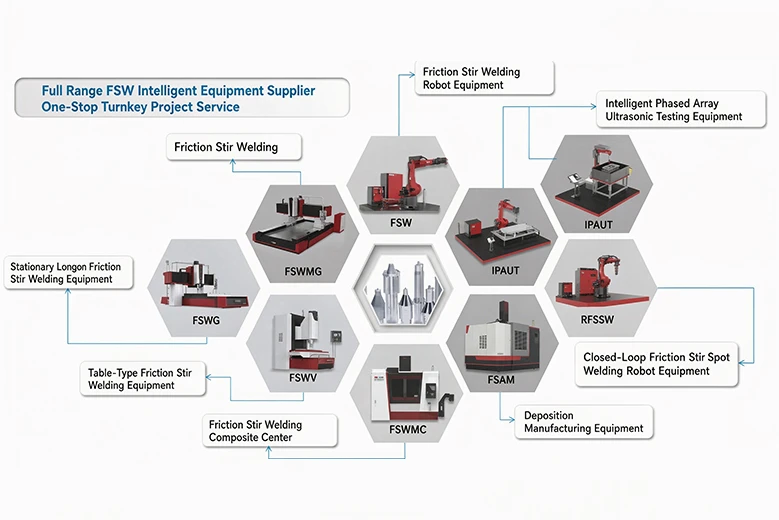
What is friction stir welding (FSW)? How does this solid-state process deliver low-distortion, leak-free aluminum welds for EV battery trays and liquid cold plates? A manufacturer's guide.
Sep.28,2026
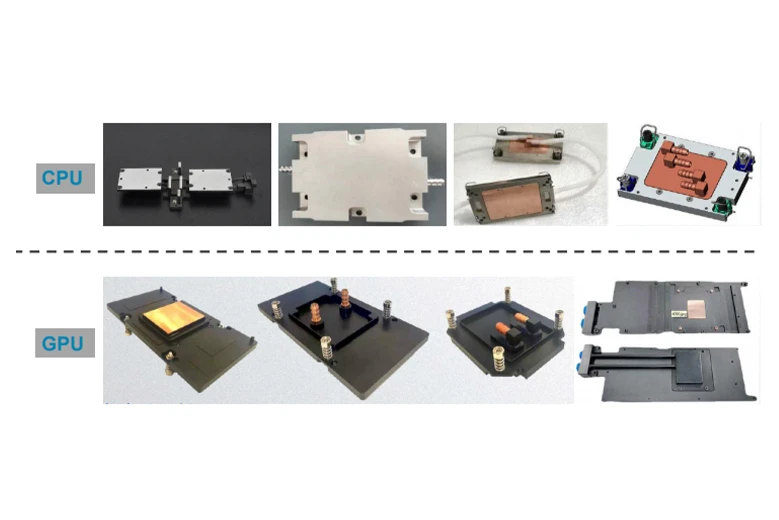
From AI Data Centers to 800V EVs: What It Really Takes to Manufacture Liquid Cold Plates
Liquid cooling is going mainstream in AI servers and EVs. A look inside liquid cold plate manufacturing: flow channel design, FSW sealing, burst and leak testing, and mass production.
Sep.28,2026
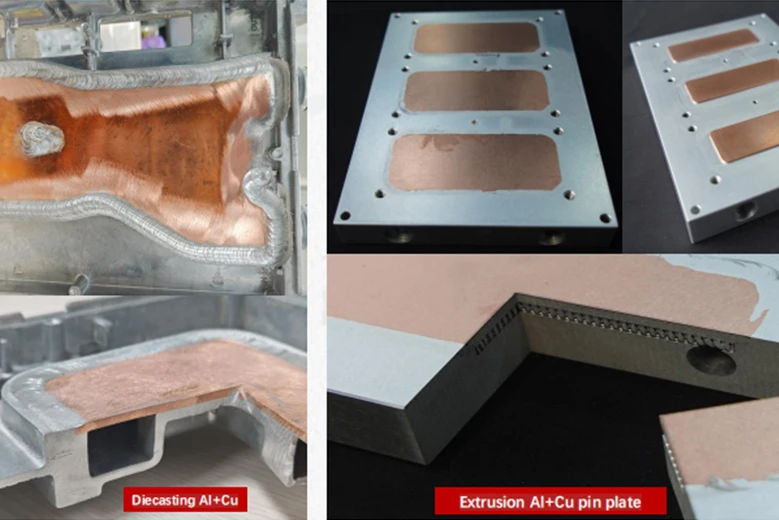
Every hardware generation asks the same question: can we combine two metals in one part — copper for conductivity, aluminum for weight, titanium for strength — without the joint becoming the weakest link?
Sep.28,2026
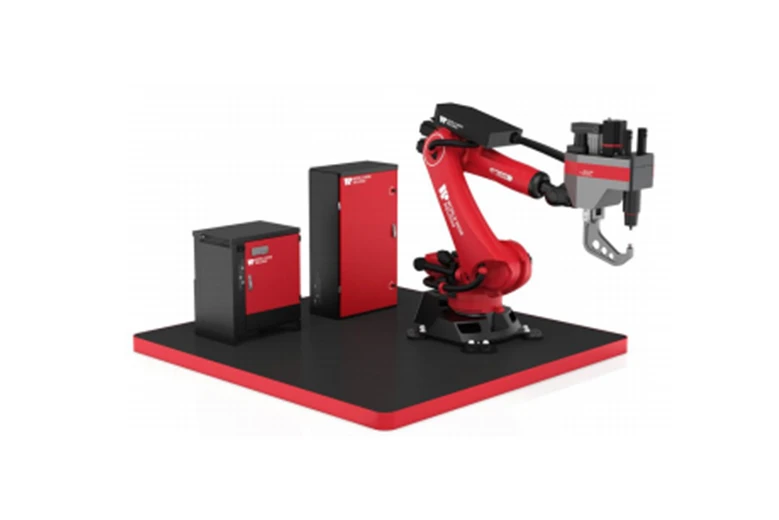
Refill Friction Stir Spot Welding: A Cleaner Alternative to Resistance Spot Welding and Riveting
Ask a manufacturing engineer how they join two overlapping aluminum sheets, and the answer is usually one of two things: resistance spot welding (RSW) or self-piercing rivets (SPR). Both work. Both also carry costs that product designers have learned to live with — until a solid-state alternative called refill friction stir spot welding (RFSSW) matured into mass production.
Sep.29,2026
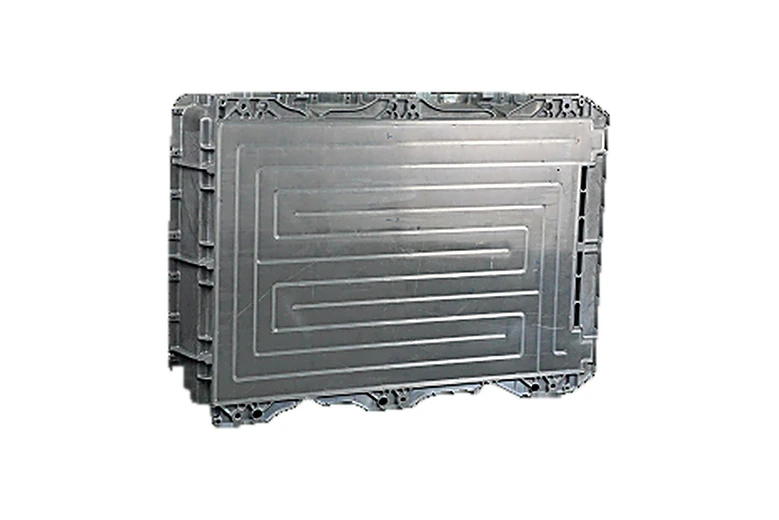
Case Study: Friction Stir Welding ADC12 Cast Aluminum to 6061 Extrusions in a Bus Battery Tray
Modern battery trays are a metallurgy puzzle wearing a structural role. The tray must be light, crash-stiff, leak-manageable, and cheap — so designers mix material forms: die-cast nodes and bosses for complex geometry, extruded profiles for rails and frame members, and rolled plate for covers. Each form is easy to make alone. Joining them is the problem, and a recent bus battery tray program shows how one manufacturer solved it.
Sep.29,2026
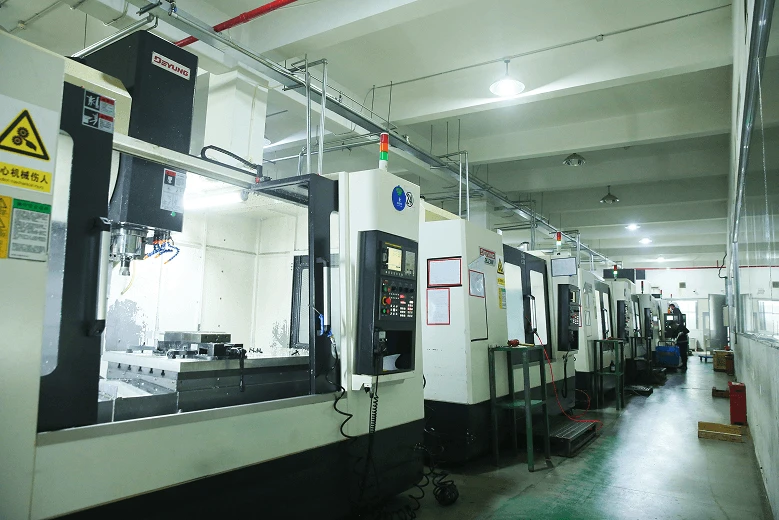
How to Specify and Accept Liquid Cold Plates: Burst, Pressure Drop, Leak and Thermal Tests Explained
Most cold plate quality disputes trace back to the same root cause: the buyer and supplier never agreed on what "good" means, in test terms. A liquid cold plate can pass a visual check and still fail in the field — clogged channels, creep leakage at a pulse-loaded seam, or a heat-absorbing surface that is out of flatness. Here is the test matrix that serious manufacturers and serious buyers use to align expectations, item by item.
Sep.29,2026
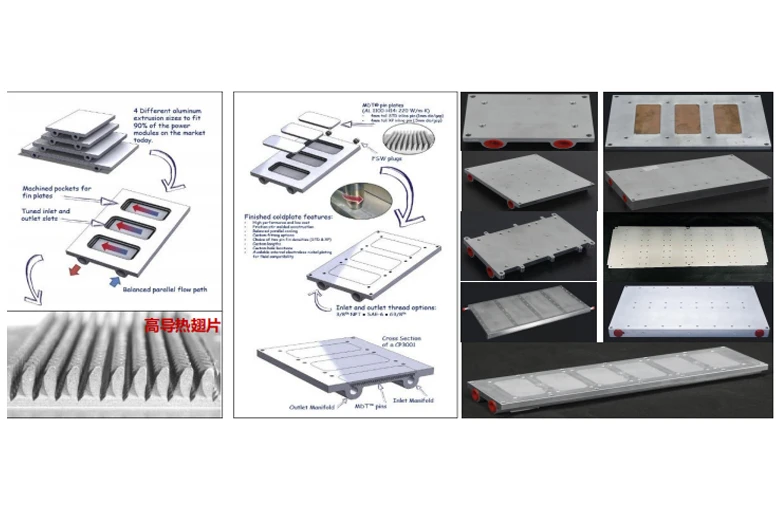
For most of computing history, "thermal management" meant fans. Air cooling defined the shape of servers, the layout of data centers, and the limits of every processor design. That era is ending. AI rack densities that once would have been measured in kilowatts are now quoted in multiples of 100 kW, and no quantity of fans can move that heat out of a rack economically. The industry's answer is direct-to-chip liquid cooling — and its rise is quietly rebuilding a supply chain around a component most data center buyers had never sourced before: the liquid cold plate.
Sep.29,2026
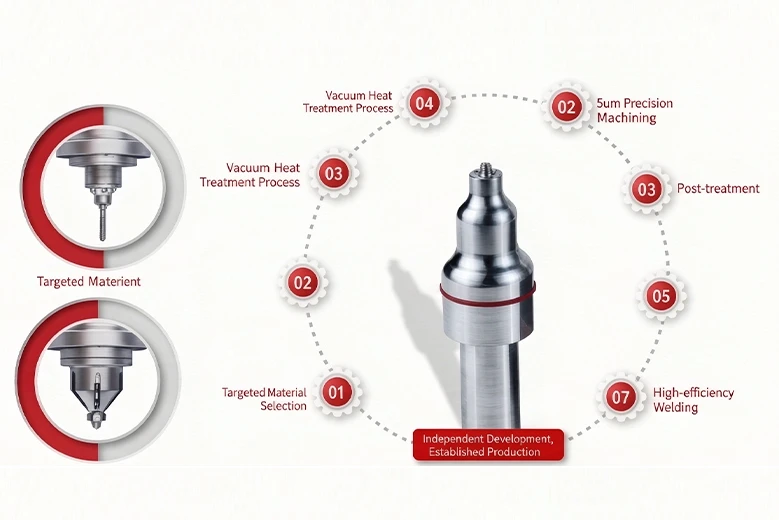
The Overlooked Heart of Friction Stir Welding: Inside a 1,000+ Tool Design Library
Friction stir welding has a paradox at its center. The physics — a rotating tool that plasticizes and forges metal without melting it — is elegant, widely published, and more than three decades old. The equipment is now sold by several vendors worldwide. Yet weld outcomes between two suppliers running identical machines on identical alloys can differ by a wide margin. The variable that explains most of the gap is the smallest, least glamorous part of the system: the stirring tool itself.
Sep.29,2026
"Need a Custom Cold Plate for Your Application?
Request a Free Thermal Design Review"
We provide high-strength, well-sealed core components for new energy vehicles that meet global automotive standards. Schedule a rapid technical consultation now.
Build a highly cohesive team of thermal management, special welding and precision manufacturing
QUICK LINK
QUICK LINK
LET’S CONNECT
LET’S CONNECT
+86 177 1265 6888 (WhatsApp)
+86 137 7167 8566 (WhatsApp)
Peter Fu peter@dyf-sz.cn
Eva Zhou deyanfumachinery@gmail.com
Building 3, No. 28 Xinchang Road, Suzhou Industrial Park, Suzhou City, Jiangsu Province